

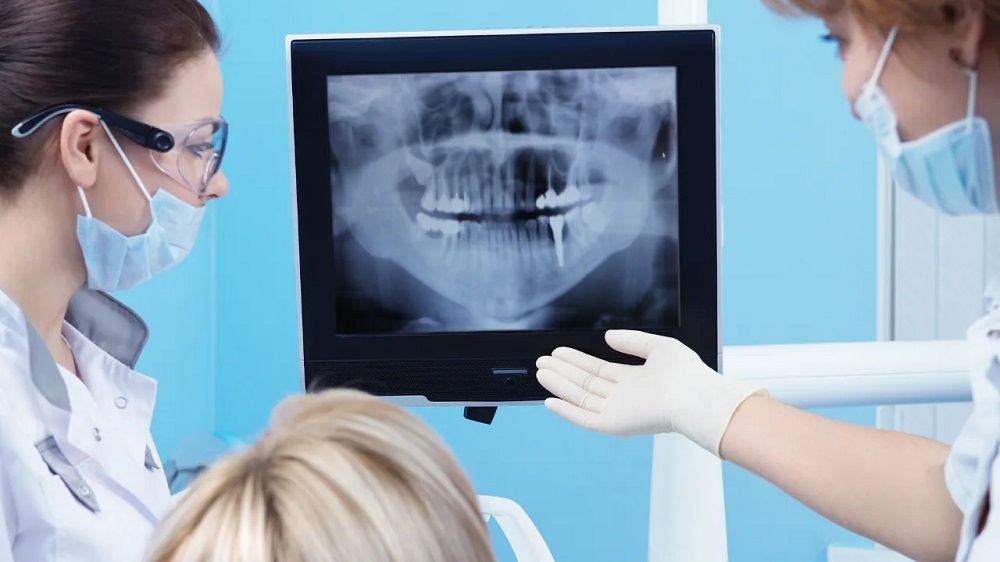
The landscape of modern dentistry is undergoing a profound transformation, driven by breakthroughs in advanced technology and biomedical engineering. For decades, replacing missing teeth or rehabilitating an entire arch involved protracted timelines, unpredictable surgical outcomes, and considerable patient discomfort. Today, the convergence of three-dimensional imaging, computer-aided design, and precision manufacturing has elevated oral rehabilitation into a highly accurate, efficient, and patient-centric discipline. This digital revolution not only enhances the precision with which clinical teams operate but fundamentally redefines the long-term success rates of complex restorative treatments, establishing a premium benchmark for clinical predictability and patient satisfaction across the healthcare sector.
The Foundations of the Digital Diagnostic Shield
At the core of this technological shift is the seamless integration of comprehensive data acquisition tools. Traditional intraoral impressions, which relied on physical elastomeric putty materials that often triggered severe gag reflexes and suffered from material shrinkage or distortion, are rapidly becoming obsolete. Modern clinical practices now utilise advanced intraoral optical scanners to capture thousands of high-definition data points within the oral cavity per second, creating a perfect three-dimensional digital mesh of the hard and soft tissues with micron-level accuracy.
This surface data is subsequently combined with volumetric imaging obtained via Cone-Beam Computed Tomography (CBCT). Unlike conventional two-dimensional radiographs, which flatten complex anatomical structures, CBCT scans provide detailed cross-sectional views of the patient’s maxillofacial skeleton. This allows clinicians to thoroughly evaluate bone density, identify critical anatomical structures such as the inferior alveolar nerve or maxillary sinuses, and pinpoint the optimal trajectories for implant fixtures before any physical incision is made.
Precision Guided Surgery and Prosthetic Fluidity
Once the diagnostic datasets are seamlessly merged within specialized computer software, clinicians can execute the entire surgical phase in a virtual environment. This process, known as prosthetically driven implant planning, ensures that the dental implants are placed in positions that perfectly support the final teeth, balancing both functional chewing forces and optimal facial aesthetics.
From this virtual blueprint, stereolithographic surgical guides are fabricated using high-precision 3D printers or computer-numerical-control (CNC) milling machines. During the actual procedure, these custom-fitted templates steady the clinician’s hand, ensuring the depth, angulation, and mesiodistal positioning of each implant match the digital plan exactly. This level of meticulous control enables minimally invasive, often flapless surgical techniques that significantly reduce post-operative swelling, minimise trauma to the surrounding gingival tissues, and accelerate the patient’s healing timeline.
Navigating Full-Arch Rehabilitation Layouts
The true power of this unified digital workflow is most evident in full-arch edentulous rehabilitations, where an entire row of teeth must be anchored to a limited number of strategically placed fixtures. A variety of cultural, demographic, and technological factors represent the clear trends driving demand for All-on-4 dental implant solutions across the country. An ageing population, rising consumer expectations for immediate functional results, and the desire to avoid cumbersome removable dentures have pushed full-arch fixed protocols to the forefront of contemporary clinical focus.
By utilizing tilted posterior implants to maximise bone-to-implant contact in areas of reduced bone volume, this structural layout eliminates the need for complex, painful bone grafting procedures that traditionally added months to treatment timelines. When managed through an entirely digital framework, the surgical placement and the delivery of a temporary, fixed acrylic bridge can be completed on the exact same day. Photogrammetry and specialized intraoral scanning capture the exact positions of the newly placed multi-unit abutments instantly, allowing the laboratory team to manufacture a highly precise, passive-fitting provisional prosthesis while the patient rests in the recovery chair.
Aesthetic Refinement and Total Visual Harmony
Beyond restoring fundamental masticatory function and preventing the progressive bone resorption that naturally follows tooth loss, modern full-arch implant therapy offers profound psychological benefits. Edentulism inevitably leads to a collapsed lower facial height, wrinkled perioral tissues, and a prematurely aged appearance due to the loss of structural support. By carefully configuring the volumetric thickness of the prosthetic bridge and selecting premium biocompatible materials like translucent zirconia or graphene-reinforced polymers, dental professionals can restore natural lip support and ideal facial proportions.
Ultimately, replacing compromised or missing teeth with a digitally designed, implant-supported alternative stands out as a method that can improve your appearance while simultaneously revitalising overall systemic health and speech clarity. The final restorations are carefully calibrated to match the natural contour of the patient’s smile line, skin tone, and overall facial symmetry. As digital dentistry continues to advance, the boundary between artificial prosthetics and natural anatomy disappears entirely, setting an unprecedented standard for comprehensive oral care.
