

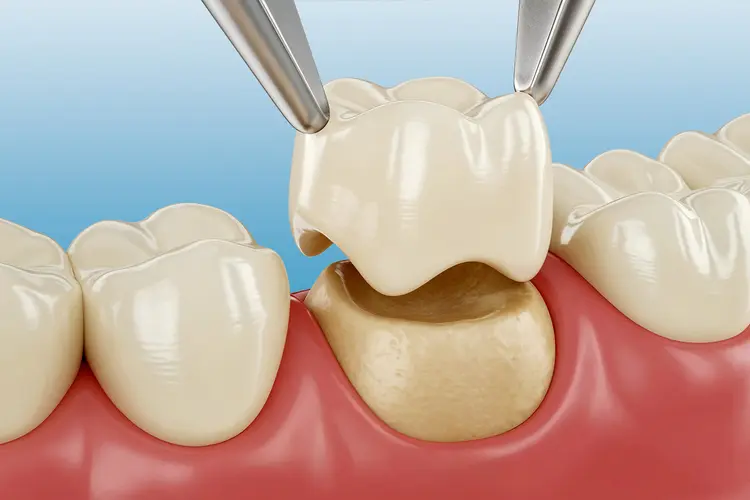
In the fast-paced world of modern healthcare, the traditional dental crown process often feels like a relic of the past. For decades, patients have endured a multi-week journey involving messy impressions, uncomfortable temporary caps, and multiple injections. However, the dental industry has undergone a digital revolution. Digital dentistry is no longer a futuristic concept; it is the current standard for clinics prioritising patient comfort and efficiency.
The Evolution of Modern Restorations
Historically, getting a crown meant scheduling at least two separate appointments. During the first visit, the tooth was prepared, and a physical mould was taken using a silicone putty that many patients found gag-inducing. This mould was then sent to an external laboratory, where technicians would take up to two weeks to fabricate the porcelain tooth. In the interim, patients wore a plastic temporary crown that often felt bulky, tasted metallic, or worse, fell off during a meal.
CEREC technology—short for Chairside Economical Restoration of Esthetic Ceramics—has effectively eliminated these inconveniences. By utilizing Computer-Aided Design (CAD) and Computer-Aided Manufacturing (CAM), dentists can now complete the entire process from start to finish in a single visit. This shift represents more than just a convenience; it is a fundamental change in how we approach restorative oral health.
How CEREC Technology Operates
The process begins with a high-definition intraoral camera. Instead of a putty, the dentist uses a handheld scanner to create a precise 3D digital map of your mouth. This digital impression is far more accurate than traditional methods, capturing every contour of the prepared tooth and the surrounding bite. Once the scan is complete, the dentist designs the crown on a computer screen right in front of you.
Once the design is finalised, the data is sent to an on-site milling machine. This device acts like a high-precision 3D printer, carving your custom crown from a solid block of high-quality ceramic or zirconia. Within about 15 to 20 minutes, the crown is ready to be polished, glazed, and permanently bonded to your tooth. These same-day dental solutions powered by CEREC crowns technology ensure that you leave the clinic with a permanent, functional, and aesthetically pleasing restoration in under two hours.
Precision and Aesthetic Integration
One of the primary concerns patients have with “fast” dental work is whether it looks natural. CEREC blocks come in a vast array of shades and translucencies, allowing the dentist to match the ceramic perfectly to your existing teeth. Because the design is digital, the fit is often superior to lab-made crowns. The software accounts for your specific bite alignment, reducing the need for heavy adjustments after the crown is seated.
Furthermore, the materials used in CEREC restorations are bio-compatible and metal-free. This is particularly beneficial for patients with metal sensitivities or those who wish to avoid the “dark line” often seen at the gumline of traditional porcelain-fused-to-metal crowns. The result is a durable, lifelike tooth that functions exactly like your natural enamel.
Saving Time and Reducing Indirect Costs
The most obvious benefit of same-day crowns is the time saved. For busy professionals, parents, or those travelling from rural areas, taking two separate half-days off work for dental appointments is a significant burden. By consolidating the treatment into a single session, CEREC eliminates the need for repeat travel and additional time in the dental chair.
There is also the “hidden” cost of temporary crowns to consider. Temporaries are prone to breaking or leaking, which can lead to tooth sensitivity or even secondary decay if the temporary remains on too long. By bypassing the temporary phase entirely, the integrity of the prepared tooth is better protected, and the risk of post-operative complications is significantly reduced.
Long-Term Value and Durability
While the initial investment in a CEREC crown is comparable to a laboratory-made version, the long-term value is often higher. Research indicates that CEREC restorations have a survival rate equivalent to, and in some cases better than, traditional crowns. The precision of the digital bond creates a seamless seal, which is the best defence against future cavities under the crown.
When considering the total expenditure of dental care, it is important to look at the big picture. Choosing advanced technology often prevents the need for corrective procedures down the line. It is a common misconception that cutting-edge tech must be prohibitively expensive; in reality, you don’t need to compromise on quality to save money when you factor in the reduced number of appointments and the longevity of the ceramic materials used in modern digital workflows. By opting for a one-visit solution, you are investing in a streamlined process that respects both your schedule and your oral health.
