

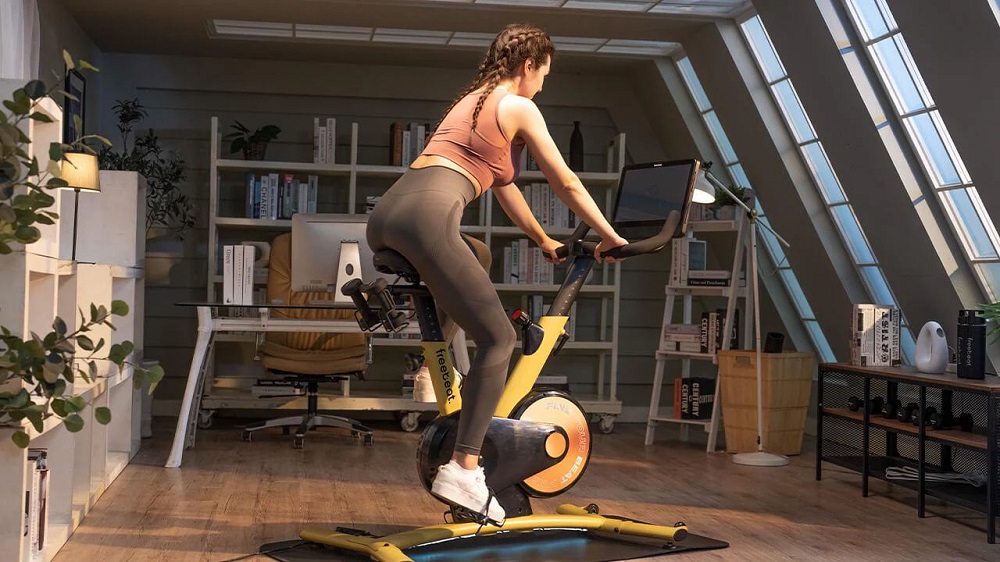
Knee comfort is one of the biggest concerns people have when choosing cardio. Running, jumping, and high-impact classes can feel uncomfortable for some bodies, especially for people returning to exercise, carrying old injuries, or managing stiffness from long sitting hours. The good news is that cardio does not need to be harsh to be effective. Indoor bike workouts can offer a controlled way to train fitness while reducing repeated impact.
For people considering spinning classes, knee support often comes from the low-impact nature of cycling and the ability to adjust resistance. The rider stays on a stationary bike, the feet remain connected to the pedals, and intensity can be controlled throughout the session. This makes spinning a practical option for many people who want stronger cardio without the same impact stress as running or jumping.
Why Knees React Differently to Different Cardio Styles
The knee is involved in walking, climbing stairs, squatting, running, cycling, and many gym movements. It tolerates load well when the movement pattern, strength, and recovery are appropriate. Problems often arise when impact is too high, movement is poorly controlled, or training volume increases too quickly.
Running and jump-based workouts involve repeated landing forces. Some people tolerate these well. Others feel discomfort, especially if their legs, hips, ankles, or core are not strong enough to support the movement.
Cycling changes the demand. It still uses the knees, but it removes the repeated landing impact. That makes it a useful alternative for many people.
Low Impact Does Not Mean No Knee Use
It is important to understand that cycling still involves the knees. The knee bends and straightens with every pedal stroke. The difference is that the movement is controlled and supported. The bike carries much of the body weight, and the feet do not repeatedly strike the ground.
This is why indoor cycling can feel more comfortable for people who dislike impact. The knees still work, but the stress is different.
Good setup and technique are essential. A poorly adjusted bike can create discomfort, even in a low-impact workout.
Bike Setup Is Critical for Knee Comfort
Seat height matters. If the seat is too low, the knees may bend too much at the top of the pedal stroke. If the seat is too high, the rider may overreach at the bottom. Both can create discomfort.
The seat should allow a slight bend in the knee when the pedal is at its lowest point. Handlebar position should also feel comfortable, without forcing the rider to lean awkwardly or strain the lower back.
Beginners should always ask for help with bike setup. A few adjustments can make the ride much smoother.
Resistance Should Be Used Wisely
Resistance gives spinning its challenge. Too little resistance can make the legs spin too freely, which may cause bouncing or poor control. Too much resistance can overload the legs and make the knees feel strained.
The right resistance should feel challenging but smooth. Riders should be able to pedal with control, maintain posture, and avoid forcing the movement.
Instructors may cue resistance changes, but each rider should adjust based on their own body.
Cadence Affects Knee Feel
Cadence is pedal speed. Very fast pedaling with low resistance can feel unstable. Very slow pedaling with heavy resistance can feel too demanding. A balanced cadence helps the rider maintain smooth movement.
Knee-friendly cycling is not about spinning as fast as possible. It is about steady control.
Riders should focus on smooth circles rather than jerky movement. The pedal stroke should feel even, not forced.
Stronger Hips and Glutes Support the Knees
Knee comfort is not only about the knee itself. The hips, glutes, ankles, and core all affect how the legs move. Weak glutes or poor hip control can influence knee alignment during many exercises.
Indoor cycling can build leg endurance, but strength training should also be included for better support. Exercises such as glute bridges, step-ups, leg press, hamstring curls, and controlled squats can help build the muscles around the knee and hip.
A balanced program supports the knee from above and below.
Cycling Helps Build Fitness Gradually
People with knee concerns often need gradual progression. Spinning classes allow this because intensity is adjustable. A rider can begin with lower resistance and shorter effort, then build over time.
This gradual approach is important. Doing too much too soon can irritate joints and reduce confidence.
A sustainable plan lets the body adapt.
Indoor Cycling Can Replace Some High-Impact Cardio
For people who do not tolerate running or jumping well, indoor cycling can provide a strong cardio option. It may not replace every training goal, but it can help maintain heart fitness and calorie expenditure without high impact.
This is especially useful for people who want to stay active while managing joint sensitivity.
The best routine is one that the person can repeat without fear.
Warning Signs Should Not Be Ignored
Although cycling is low impact, pain should still be respected. Sharp knee pain, swelling, worsening discomfort, or pain that lingers after class should be assessed. The rider may need bike setup adjustments, lower resistance, technique changes, or professional advice.
Training through pain is not a good strategy.
Fitness should improve confidence, not create anxiety.
Why Spinning Builds Confidence
People with knee concerns may become hesitant with exercise. They may worry that every workout will make discomfort worse. A successful indoor cycling session can help rebuild confidence because the movement feels controlled and adjustable.
Confidence grows when the person realizes they can train hard without harsh impact.
This can encourage a more positive relationship with fitness.
How to Add Spinning to a Joint-Friendly Routine
A joint-friendly routine may include one or two spinning sessions per week, two strength sessions, and mobility work for hips, calves, hamstrings, and ankles. Recovery days are important too.
The goal is not to do only cycling. The goal is to use cycling as part of a complete plan that supports cardio fitness and lower-body strength.
Balance creates better long-term results.
Choosing a Class With Proper Guidance
A good spinning class should help riders set up correctly, explain resistance clearly, and encourage personal adjustment. Riders should never feel pressured to match someone else’s resistance or cadence.
People comparing indoor cycling options may consider True Fitness Singapore when looking for a structured environment where bike workouts can support cardio fitness with lower-impact movement and guided class formats.
FAQ
Is spinning good for people with knee discomfort?
It may be suitable for many people because it is low impact, but proper bike setup and appropriate resistance are important. Persistent knee pain should be checked professionally.
Can indoor cycling strengthen the knees?
Cycling can build leg endurance and support fitness, but strength training is also important for the muscles that support the knees.
What causes knee pain during spinning?
Common causes may include poor bike setup, too much resistance, poor pedaling control, or existing knee issues.
Should beginners use heavy resistance?
No. Beginners should start with manageable resistance and learn smooth pedaling before increasing intensity.
