

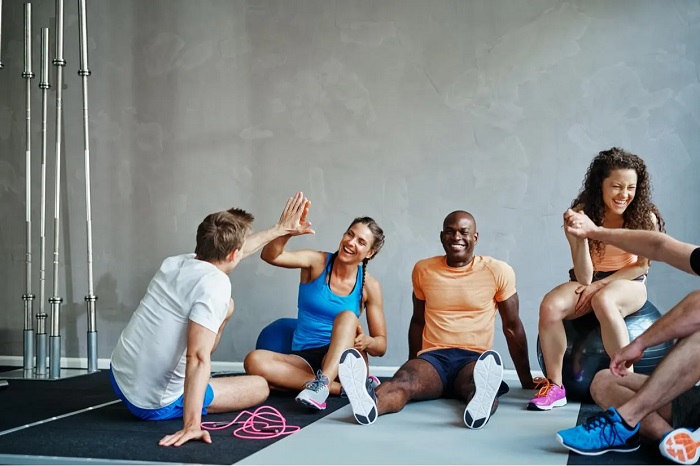
Modern fitness culture is heavily saturated with the gospel of relentless intensity. From high-octane boot camps and explosive interval training to grueling obstacle courses, society has been conditioned to believe that an effective workout requires gasping for breath, drenched workout gear, and crippling muscle soreness the following morning. This “no pain, no gain” philosophy has alienated millions of individuals. For people managing joint sensitivities, recovering from chronic illness, navigating elevated stress levels, or simply seeking an enjoyable way to remain active, punishing regimens often cause more harm than good, triggering elevated stress hormones, persistent fatigue, and soft-tissue injury.
Physical exercise does not need to be violent to be transformative. In reality, human physiology responds remarkably well to consistent, low-impact mechanical stimulus. Gentle fitness activities focus on fluid joint mobility, neuromuscular control, cardiovascular efficiency, and core stability without subjecting the skeletal frame to excessive compressive forces. By ditching the exhausting performance pressure of aggressive workouts, you can develop an enduring movement practice that revitalizes the body, calms the mind, and sustains everyday health over decades.
The Science of Soft Movement: Why Low-Impact Delivers High Returns
A common misconception is that gentle activities fail to provide meaningful cardiovascular or metabolic benefits. In truth, the primary driver of physical longevity is regular, sustained movement that preserves cellular mitochondria and encourages blood circulation, not the sheer volume of lactic acid produced in a single session.
High-impact workouts—such as running on hard pavement or performing plyometric jumping drills—subject ankles, knees, and lumbar vertebrae to ground reaction forces reaching three to five times body weight with every stride. Over time, these cumulative shearing forces can wear down articular cartilage and provoke chronic inflammation in connective tissues.
Gentle exercise alters this dynamic by prioritizing closed-chain movements and fluid transitions. When your feet or hands remain in stable contact with a supportive surface, joint shear drops dramatically. Concurrently, rhythmic, low-strain movement functions as a biological pump, gently drawing lubricating synovial fluid into joint capsules to nourish cartilage while stimulating lymphatic flow to clear cellular waste.
Furthermore, intense workouts often lock an already stressed body into an extended sympathetic fight-or-flight state, spiking cortisol and disrupting sleep architecture. Gentle activities operate primarily in the parasympathetic recovery zone, lowering resting heart rates, moderating arterial blood pressure, and leaving you energized rather than completely drained.
Walking and Nordic Walking: The Natural Rhythm of Human Locomotion
Brisk walking remains the most accessible, biologically native form of exercise available to humans. It requires zero specialized gym memberships and integrates effortlessly into daily routines. Walking at a steady, purposeful pace elevates heart rate into zone-two aerobic training—the precise metabolic threshold where the body optimizes fat oxidation and strengthens heart muscle efficiency without triggering physical distress.
To elevate ordinary walking into a comprehensive, low-stress conditioning workout, many individuals turn to Nordic walking. By incorporating specialized poles fitted with rubber tips, you engage the upper torso, including the lats, deltoids, pectorals, and core stabilizers. The rhythmic planting of the poles distributes body weight across four contact points rather than two, reducing impact on the knees and hips by up to twenty percent while simultaneously increasing caloric expenditure and improving upright thoracic posture.
Aquatic Fitness: Moving Weightlessly Against Natural Resistance
Water is the ultimate equalizer for anyone seeking an effective, joint-sparing workout. When immersed in chest-deep water, the body experiences the physics of buoyancy, which effectively offloads roughly eighty to ninety percent of your body weight. Compressive spinal loads and knee stresses vanish, making fluid movement comfortable for individuals with arthritis, back pain, or past surgical repairs.
Water-based exercise is uniquely effective because of hydrostatic pressure and fluid viscosity:
-
Equalized Multi-Directional Resistance: Unlike metal weights that rely purely on gravity pulling downward, water provides resistance in every single direction you move. Every kick, push, or arm sweep meets constant, smooth resistance that challenges muscles concentrically without sudden eccentric tearing.
-
Enhanced Venous Return: The continuous hydrostatic pressure exerted by water against the legs and torso assists circulation, easing the heart’s workload while helping reduce peripheral swelling in the ankles and feet.
-
Thermal Comfort: Cooler water temperatures disperse metabolic heat continuously, preventing overheating and allowing individuals to sustain gentle aerobic activity for longer, more comfortable durations.
Whether engaging in structured shallow-water aerobics, lap swimming using a relaxed breaststroke, or deep-water jogging with a flotation belt, aquatic training builds cardiovascular endurance and functional muscle tone in an environment of total physical support.
Mindful Movement: Tai Chi and Qigong for Balance and Cognitive Clarity
Often described as moving meditation, ancient traditions like Tai Chi and Qigong represent some of the most sophisticated, low-impact exercise systems ever created. These practices rely on continuous, flowing, circular postures performed at a deliberate, measured cadence, synchronized with slow diaphragmatic breathing.
The genius of Tai Chi lies in its uncompromising focus on proprioception and dynamic weight shifting. Practitioners learn to sink their center of gravity, relax the pelvic girdle, and transfer weight from one leg to the other with mindful precision. This constant micro-adjustment strengthens the small stabilizing muscles of the ankles, knees, and hips, retraining balance pathways in the central nervous system and drastically reducing the risk of falls. Because movements are slow and deliberate, they cultivate acute physical awareness without ever straining tendons or spiking resting pulse rates.
Mat Pilates: Rebuilding the Core from the Inside Out
While some modern iterations of Pilates have become high-tempo fitness classes, the classical discipline remains one of the safest and most effective methods for developing functional strength. Performed predominantly on a supportive padded mat, Pilates focuses on the deep inner core—specifically the transverse abdominis, pelvic floor, and multifidus muscles that support the spinal column.
Instead of performing dozens of rapid repetitions that compromise form, Pilates emphasizes precision, breath control, and axial elongation. Exercises like the pelvic curl, the bird-dog, and gentle spine stretches decompress vertebrae, correct forward-slumped desk posture, and build a protective muscular girdle around the lower back. By working with gravity rather than fighting heavy iron weights, practitioners develop a firm, resilient midsection that protects the lower back during everyday bending and lifting.
Gentle and Restorative Yoga: Cultivating Functional Mobility
Yoga encompasses an expansive spectrum of styles, but for those seeking gentle activity, styles like Hatha, Yin, and Restorative yoga offer a welcoming entry point. Unlike aggressive, heated power flows that demand athletic contortions, gentle yoga emphasizes accessible poses, deliberate joint mobility, and mindful nervous system regulation.
Using supportive props such as foam blocks, fabric straps, and firm bolsters allows you to experience the therapeutic benefits of muscular lengthening without forcing joints into uncomfortable angles. Gentle stretches loosen tight hip flexors, mobilize the mid-back, and release accumulated tension in the neck and shoulders. Pairing these slow physical shapes with extended exhalations stimulates the vagus nerve, signaling the nervous system to let go of defensive muscular guarding.
Designing a Sustainable, Joyful Routine
The true secret to long-term physical health is not found in the intensity of an occasional workout; it is built on the consistency of enjoyable movement. When you choose gentle fitness activities, you eliminate the mental friction, physical dread, and long recovery times associated with punishing workouts.
Begin by combining two or three gentle disciplines across your week: a few brisk morning walks, an afternoon swim, and a short gentle yoga or Pilates session. Listen closely to your body’s natural feedback loops. Exercise should leave you feeling refreshed, agile, and clear-headed, ready to engage fully with your day rather than needing hours to recover on the couch. By embracing gentle movement as a sustainable daily practice, you honor your physical boundaries while building the lasting strength, flexibility, and comfort you deserve.
