

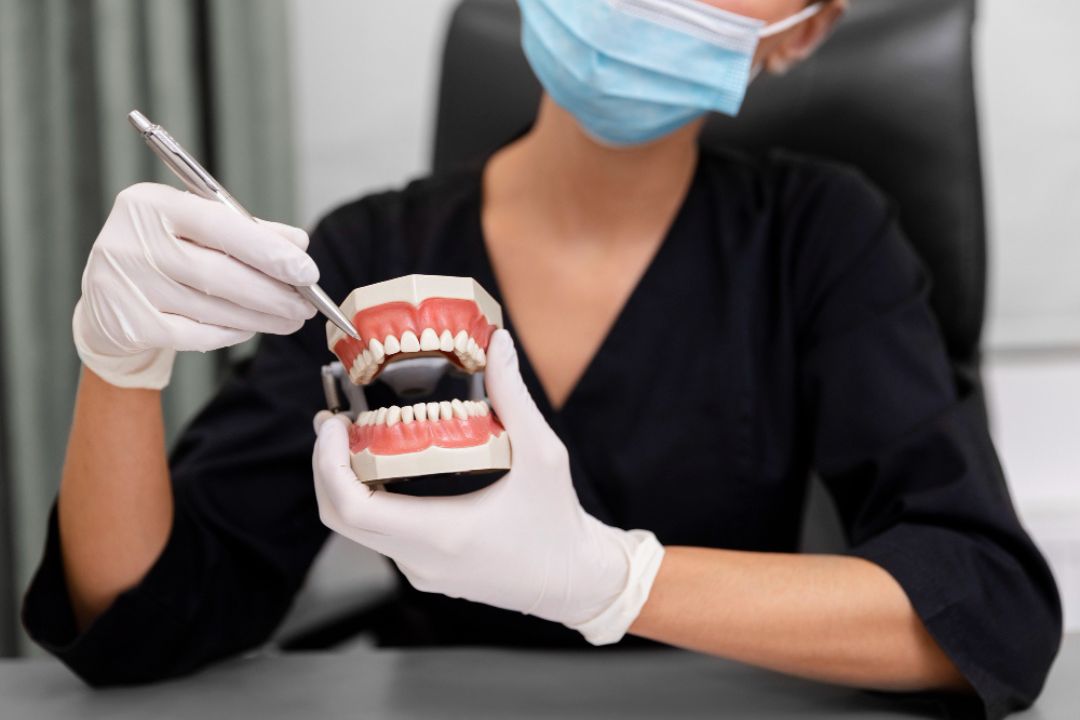
A smile is supported by more than the teeth visible in a photograph. Beneath its familiar appearance is a complex arrangement of bone, gum tissue, muscles and oral structures that work together to make speaking, eating and expressing emotions feel effortless. When several teeth are lost, this delicate balance can change. Everyday activities may become more difficult, facial support can gradually diminish, and even the simple act of smiling may begin to feel unfamiliar.
Fortunately, modern restorative dentistry offers solutions that look beyond replacing missing teeth. Overdentures represent an interesting development in this area, combining the practicality of removable dentures with the additional support provided by retained natural roots or dental implants. By creating a more stable foundation for replacement teeth, they offer eligible patients another way to approach long-term oral rehabilitation.
Their significance lies not only in the technology involved but also in a broader philosophy of dental care: restoring function while preserving comfort, confidence and the structures that support a healthy smile.
Understanding the Technology Behind Overdentures
An overdenture is a removable dental prosthesis designed to fit over and receive support from remaining natural tooth roots, dental implants or other specially prepared supporting structures.
Unlike conventional removable dentures, which generally rely on the gums and underlying jaw ridges for retention and support, overdentures use additional attachment points to improve stability.
Implant-supported overdentures commonly involve placing dental implants into the jawbone. Once the implants have integrated with the surrounding bone, specialised attachments can connect them to the denture. Depending on the design, these may include locator attachments, ball attachments or bar-retained systems.
This combination of biological support and mechanical retention allows the denture to remain more securely positioned during everyday activities.
Another option involves retaining suitable natural tooth roots beneath the denture. These roots can help preserve some of the supporting bone and provide additional support, provided they are healthy enough to maintain.
The treatment approach depends on the patient’s oral condition, bone availability, medical history and long-term restorative goals.
The Difference Between Overdentures and Traditional Dentures
Understanding the difference between overdentures and traditional dentures begins with recognising how each appliance receives its support.
Traditional full dentures generally rest directly on the gum tissues and underlying jaw ridges. Their stability depends on factors such as the shape of the mouth, the quality of the supporting tissues, saliva and the accuracy of the denture’s fit.
Although conventional dentures remain an effective and accessible solution for many patients, some experience movement, particularly when eating or speaking. Lower dentures can be especially challenging because the tongue, cheeks and floor of the mouth influence their position.
Overdentures introduce additional support through retained roots or implants. This can improve retention, reduce unwanted movement and provide greater confidence when performing everyday activities.
There are also differences in treatment requirements. Conventional dentures generally do not require implant surgery, whereas implant-retained overdentures involve additional clinical procedures, healing time and maintenance.
Neither option is automatically superior for every patient. The most appropriate solution depends on individual anatomy, health considerations, preferences and financial circumstances.
What matters most is selecting a restoration that provides a realistic balance between function, comfort and long-term oral health.
Preserving the Foundations of Oral Health
One of the most interesting aspects of overdenture treatment is its relationship with the supporting jawbone.
Natural tooth roots transmit chewing forces into the surrounding bone. Following tooth loss, the jawbone no longer receives stimulation in the same way, which can contribute to gradual bone resorption.
Dental implants can help maintain bone around the implant sites by transmitting functional forces into the surrounding tissues. However, they cannot prevent all changes in jawbone volume, particularly in areas without implants.
Overdentures supported by suitable retained roots may also help preserve some of the bone surrounding those roots.
These considerations make treatment planning particularly important. Dental professionals must assess whether existing roots can be maintained safely or whether implant placement offers a more appropriate foundation.
Long-term success also requires healthy surrounding tissues. Patients need to understand that implants and natural supporting roots remain vulnerable to plaque-related inflammation and other complications.
An overdenture may improve stability, but it does not eliminate the need for careful oral hygiene or regular professional examinations.
Addressing the Emotional Impact of Tooth Loss
The consequences of losing teeth are not always visible to other people. While changes in appearance may be immediately noticeable, the emotional experience can be considerably more personal.
Some individuals become reluctant to smile naturally. Others avoid certain foods, feel uncomfortable speaking in public or worry that their dentures may move during conversations.
This is why addressing the emotional impact of tooth loss should be an important consideration in restorative dentistry.
Tooth replacement is not simply about reconstructing a physical structure. It can also help people regain a sense of normality in situations that previously caused embarrassment or uncertainty.
For someone who has struggled with loose conventional dentures, an overdenture may provide greater stability and reassurance. Being able to enjoy a meal, participate in a conversation or laugh without constantly worrying about denture movement can make a meaningful difference to everyday confidence.
However, emotional adjustment is individual. New appliances require an adaptation period, and patients may initially experience unfamiliar sensations or changes in speech.
Dental professionals should therefore discuss expectations, treatment limitations and potential outcomes before proceeding. A successful restoration should support both physical comfort and the patient’s personal wellbeing.
The Importance of Personalised Treatment and Digital Dentistry
Modern overdenture treatment increasingly benefits from developments in digital dental technology.
Three-dimensional imaging, digital impressions and computer-assisted planning can help clinicians evaluate jaw anatomy, identify suitable implant positions and design prosthetic components.
These technologies may improve communication between dentists, implant surgeons and dental laboratories. They can also help patients understand their treatment options through clearer visual explanations.
Nevertheless, digital precision must always be supported by clinical expertise. Bone quality, gum health, bite relationships and the patient’s ability to maintain the prosthesis remain essential considerations.
Personalisation is particularly important because no two mouths are identical. The ideal attachment system, implant positioning and denture design must reflect individual anatomical and functional requirements.
Long-Term Care: The Responsibility Behind a Better Fit
Overdentures require consistent maintenance to protect both the supporting structures and the prosthesis.
Patients should remove and clean their appliances according to professional instructions, using appropriate denture-cleaning products. Remaining natural teeth and supporting implants must also receive careful daily attention.
For implant-supported overdentures, cleaning around attachment components is especially important. Food debris and plaque can accumulate in areas that are difficult to reach without suitable cleaning techniques.
Regular dental appointments allow clinicians to assess implant health, examine the supporting tissues, check attachment wear and determine whether the denture needs adjustment or relining.
Attachments may loosen or wear over time, and replacement components may be necessary to maintain adequate retention.
With appropriate care, overdentures can provide a durable solution, although their longevity depends on individual circumstances and ongoing maintenance.
A Better Foundation for Everyday Confidence
The development of overdentures demonstrates how modern dentistry is moving beyond the traditional idea of simply replacing missing teeth. By combining removable prosthetics with biological support and advanced attachment systems, this treatment offers another way to restore oral function and improve denture stability.
Yet technology is only one part of the story. The real achievement is helping people recover the everyday experiences that tooth loss may have made difficult.
A stronger foundation for a smile means more than secure replacement teeth. It means enjoying food, communicating comfortably and feeling less self-conscious in social situations.
Ultimately, the most successful dental restoration is one that fits naturally into a person’s life. When thoughtful treatment planning, modern technology and consistent oral care work together, overdentures can become more than a replacement for missing teeth. They can provide a renewed foundation for comfort, function and lasting confidence.
